Freya Schulz · 29 October 2026
Rural Regions Cut Grid Reliance with Solar Street Lighting Installations
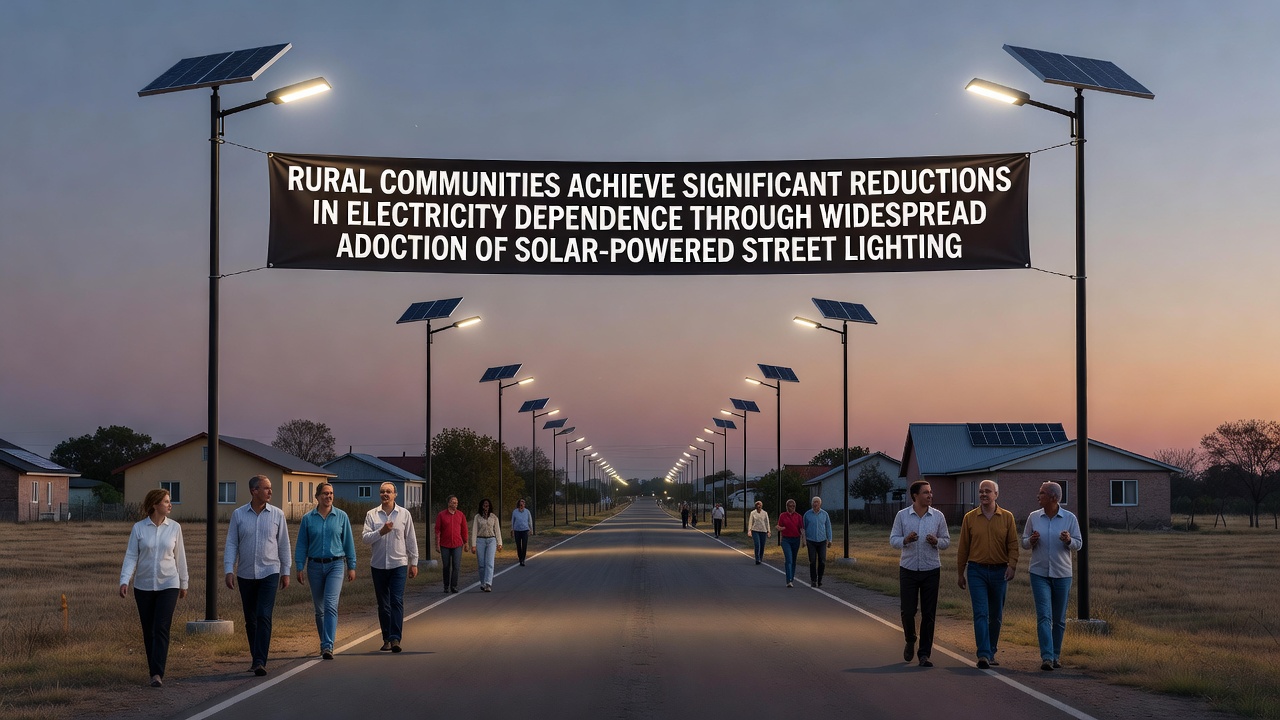
Communities in remote areas have turned to solar-powered street lighting as a practical way to lower dependence on centralized electricity grids, and data from multiple regions confirm measurable drops in overall energy consumption. Installations combine photovoltaic panels with battery storage and efficient LED fixtures, which operate independently from traditional power lines in many cases. According to reports compiled by the International Energy Agency, solar lighting projects in rural zones across North America and Australia delivered average electricity savings of 25 to 40 percent for local municipalities between 2023 and 2025.
Adoption Patterns Across Different Regions
Local governments in the American Midwest and parts of western Canada began scaling up solar street lighting programs after 2022, when equipment costs fell below earlier thresholds. One county in Kansas completed a network of 1,200 units by mid-2025, and utility records show a corresponding decline in municipal electricity purchases during evening peak hours. Similar projects in Australian outback towns recorded parallel results, with solar arrays supplying lighting for roads that previously drew power from diesel generators.
Researchers tracking these installations note that battery technology improvements allowed systems to maintain output through extended periods of low sunlight, which proved critical in northern latitudes and arid zones alike. Figures released by the U.S. Department of Energy in October 2026 documented more than 85,000 solar street lights operating in rural U.S. counties, up from roughly 42,000 two years earlier.
Measured Reductions in Electricity Demand
Utility data and independent audits indicate that widespread deployment produces consistent reductions in grid draw for lighting loads. A study covering Canadian prairie communities found annual savings averaging 310 megawatt-hours per 500 installed units, while Australian analyses reported comparable figures adjusted for local solar irradiance levels. These outcomes stem from the removal of transmission losses and the elimination of nighttime grid demand for street illumination.
Technology Components Driving Performance
Modern solar street lights integrate monocrystalline panels rated between 80 and 120 watts, lithium-ion or lithium-iron-phosphate batteries, and LED arrays consuming 20 to 40 watts per fixture. Charge controllers regulate energy flow to prevent over-discharge during cloudy sequences, and motion sensors further reduce consumption in low-traffic periods. Observers note that these integrated designs require minimal maintenance compared with earlier grid-tied systems, which often needed separate trenching and pole wiring.
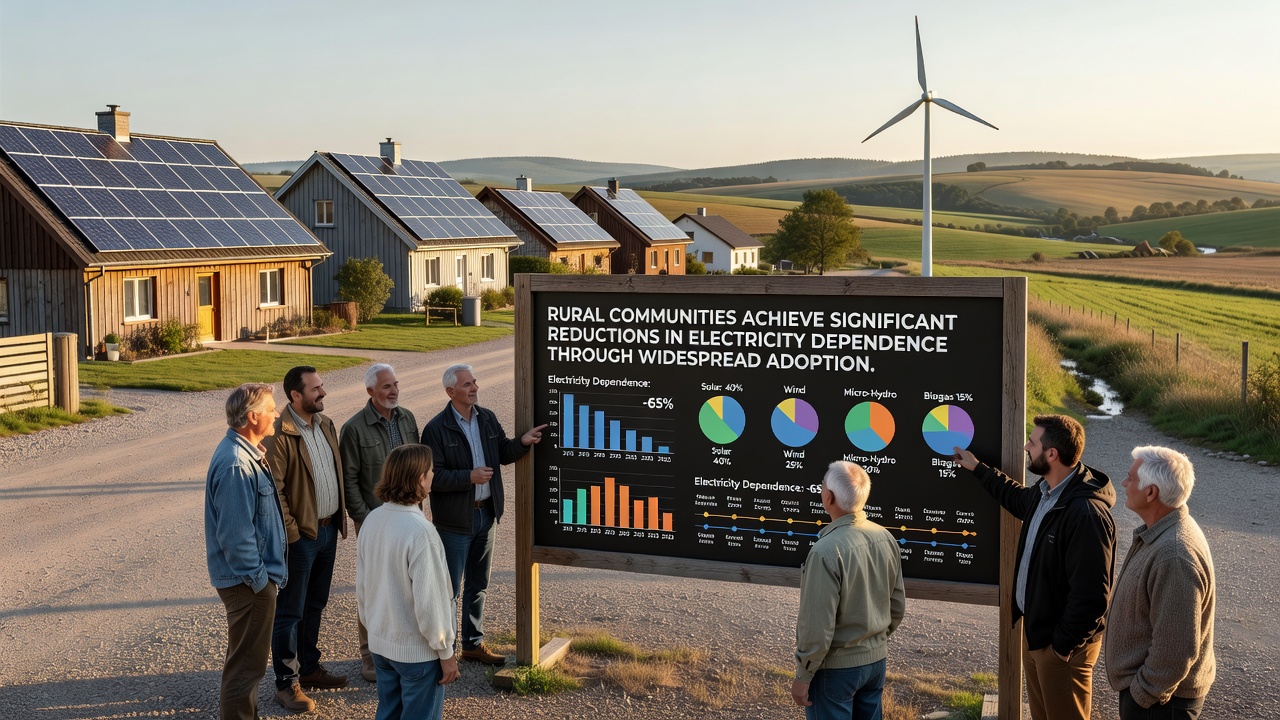
Case examples include a cluster of villages in southern Alberta that replaced 650 conventional fixtures in 2024, after which local co-op utilities recorded a 33 percent drop in electricity allocated to public lighting. In parallel, several districts in Queensland documented similar shifts following installations completed in late 2025, with diesel fuel purchases for backup generators falling by more than half in the first year of operation.
Funding Mechanisms and Implementation Timelines
Many rural projects receive partial support through federal infrastructure grants or state renewable energy incentives, which cover 30 to 60 percent of upfront capital costs. Payback periods typically range from four to seven years when local electricity rates exceed 0.12 USD per kilowatt-hour, according to economic assessments published by university extension programs in both the United States and Australia. Communities that phased installations over multiple budget cycles reported fewer disruptions to existing services during construction.
By October 2026, several additional counties in the northern plains states had announced plans to expand existing solar lighting networks, citing both cost stability and reduced exposure to grid outages during severe weather events. These expansions build on data gathered from earlier deployments, allowing planners to refine panel orientation and battery sizing for local conditions.
Conclusion
Rural communities continue to document lower electricity purchases after adopting solar-powered street lighting at scale, with quantitative records from government agencies and research institutions confirming the pattern across multiple continents. Continued monitoring of system performance and cost trends will determine the pace of further installations in coming years.