David Russell · 12 November 2026
Britain Explores Algae Wall Systems as Offices Confront Rare Earth Disruptions
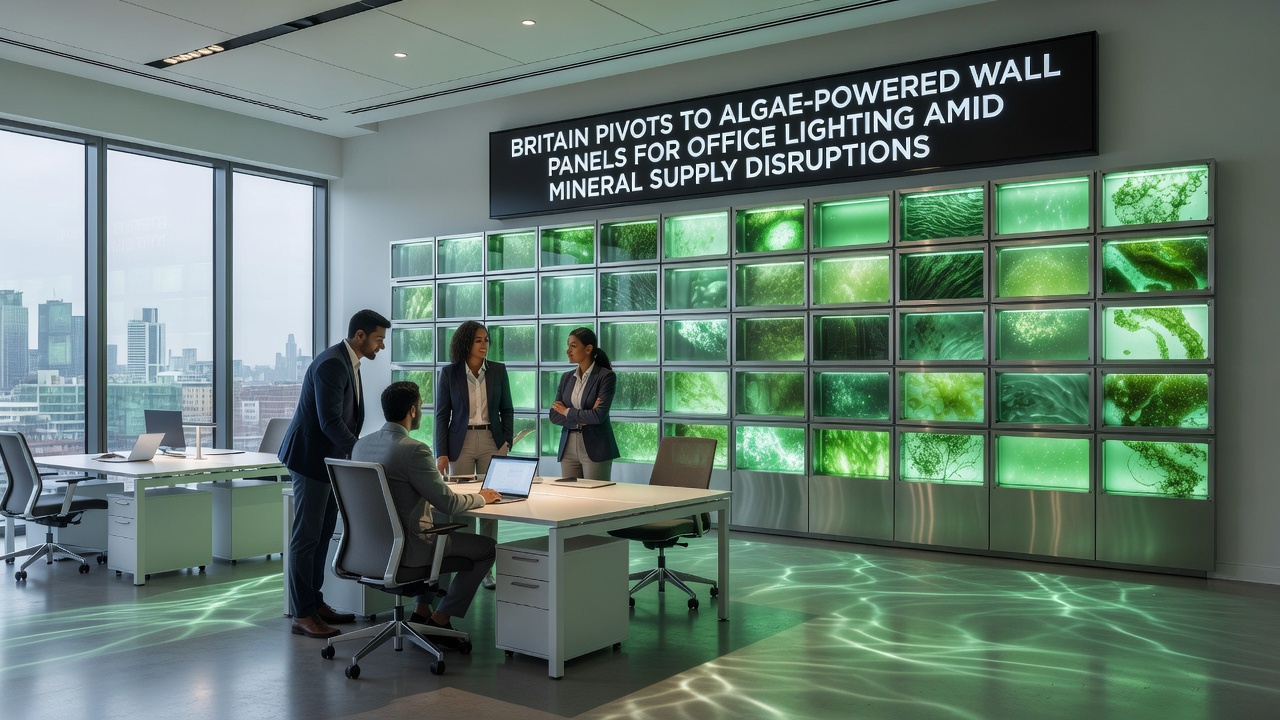
British commercial buildings have begun integrating algae-based wall panels that generate light through bioluminescent processes, and this shift comes as supply chains for rare earth minerals face ongoing interruptions from major producing regions. Data from industry monitoring groups shows that demand for materials like europium and terbium used in conventional LED systems continues to outpace available stocks, prompting facility managers to test alternative illumination methods that rely on living organisms instead.
Researchers at several UK universities have documented how certain strains of algae can be engineered to produce sustained low-level luminescence when housed in thin, transparent panels mounted on interior walls. These systems draw minimal power from building infrastructure while converting carbon dioxide into oxygen as a byproduct, and observers note the approach gained traction during late 2025 when mineral export restrictions tightened in parts of Asia and Africa.
Supply Chain Pressures Shape Lighting Choices
Figures released by the European Commission in 2026 indicate that global rare earth processing capacity remains concentrated in a handful of facilities, leaving downstream manufacturers vulnerable to sudden policy changes or logistical delays. British importers reported average lead times for LED components extending from six weeks to four months over the past year, and this reality pushed project planners toward solutions that bypass those materials entirely. Office developers in London and Manchester have therefore evaluated algae panels as one option among several emerging technologies that avoid dependence on imported phosphors and semiconductors.
According to records from the Australian Department of Industry, Science and Resources, export volumes of key lighting minerals dropped 18 percent in the first three quarters of 2026 compared with the prior period. Facility operators who had planned major refurbishments found themselves reviewing designs that incorporated bioluminescent elements alongside more traditional fixtures, and several pilot installations now operate in government-leased buildings across the southeast of England.
How Algae Panels Function in Practice
Each panel contains a sealed layer of nutrient-rich gel that supports colonies of modified microalgae, and the organisms emit a steady glow when exposed to specific wavelengths of light during their growth cycle. Maintenance teams circulate a liquid medium through the system every few weeks to replenish nutrients and remove waste, while sensors monitor temperature and pH levels to keep the colonies stable. Studies conducted at the University of Edinburgh have measured light output equivalent to 300 lux across a two-meter square surface, sufficient for general task lighting in open-plan workspaces when multiple panels operate together.
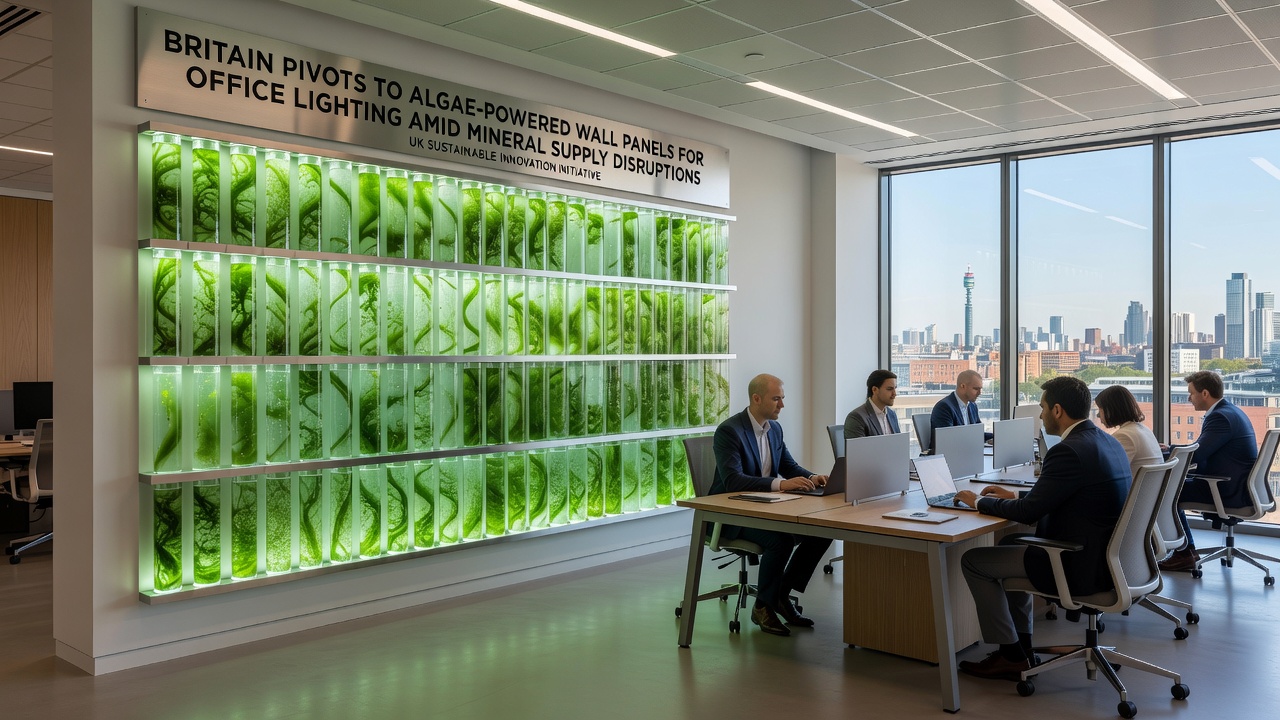
One installation completed in November 2026 at a Birmingham business park replaced 40 percent of its overhead LED arrays with algae panels on perimeter walls, and energy monitoring data collected over the first month showed a 12 percent reduction in electricity used for lighting during daytime hours. The panels also contribute to indoor air quality by absorbing carbon dioxide exhaled by occupants, although the scale of this effect remains small relative to dedicated ventilation systems. Engineers involved in the project report that the living components require careful calibration to maintain consistent brightness across seasonal temperature swings common in British buildings.
Adoption Patterns Across Commercial Properties
Property management firms have started including algae panel specifications in tender documents for new fit-outs, and suppliers based in the Netherlands and Canada have begun shipping modular units designed for rapid integration with existing drywall systems. A collaborative report issued by Natural Resources Canada highlights how similar bioluminescent prototypes tested in laboratory environments achieved operational lifespans exceeding 18 months with only routine nutrient top-ups. British architects reference these findings when presenting options to clients concerned about long-term material availability, and several projects scheduled for completion in early 2027 now feature algae panels as primary accent lighting along corridors and meeting room walls.
Training programs for building maintenance staff have expanded to cover the biological requirements of these systems, and certification courses offered through trade associations now include modules on algae health monitoring alongside conventional electrical safety. Data collected from early adopters indicates that initial setup costs exceed those of standard LED retrofits by approximately 35 percent, yet ongoing operational expenses remain lower because the panels require no bulb replacements and consume electricity only for circulation pumps rather than light generation itself.
Regulatory and Environmental Context
Planning authorities in several English cities have begun reviewing building codes to accommodate living lighting elements, and guidance documents issued by the Department for Levelling Up, Housing and Communities note that algae panels must meet existing fire safety and structural standards before installation. Environmental assessments conducted on pilot sites show reduced embodied carbon compared with mineral-intensive alternatives, and this metric aligns with broader targets set under the UK Net Zero strategy. Observers tracking the sector report that manufacturers continue refining panel designs to increase light intensity while maintaining biological stability, and further field trials are scheduled through 2027 to gather performance data across different building types and occupancy patterns.
Conclusion
Developments in November 2026 demonstrate that algae-powered wall panels have moved from experimental status into limited commercial deployment within British offices facing constrained access to traditional lighting minerals. Continued monitoring of supply conditions and performance metrics will determine whether these systems scale beyond pilot projects or remain supplementary solutions alongside established technologies.